
International Federations (IFs) are always under pressure to make their sports more culturally relevant. This has been amplified by the IOC’s Fit for the Future strategy placing greater emphasis on ‘relevance’ and how effectively IFs reach, engage and retain audiences. Competition for attention has never been greater, and cutting through that noise has never been harder or more valuable.
The FIFA World Cup is perhaps the biggest example (and opportunity) of this challenge. The tournament generated more than 1.2 trillion views on TikTok alone along with 20 billion video views across FIFA’s digital channels, with thousands of brands competing for attention and every major platform flooded with content throughout the tournament.
Standing out in that environment is incredibly difficult, which makes Rednote’s successful World Cup strategy particularly interesting.
By securing the rights to stream all , the lifestyle platform had access to one of the world’s biggest sporting events and audiences at its fingertips. But it was how they engaged with the tournament and the culture surrounding it that caught my eye.
For IFs looking to strengthen their event coverage while making their sports more culturally relevant, Rednote has provided one of the clearest examples of what that can look like…
Why Rednote?
At first glance, Rednote does not feel like the obvious home for the FIFA World Cup in China.
The platform has built its audience around lifestyle and discovery, with users traditionally leaning more towards middle class females and showing greater interest in beauty, fashion, travel and food than sport.
That is exactly what made Rednote’s strategic choices so clever.
Sport doesn’t exist in a vacuum, and nothing typifies this like the World Cup. It is a cultural event as much as a football tournament, shaped by countless conversations, communities, creators and lifestyles (the areas Rednote specialises in) and consumed in variety of ways alongside the on-pitch action.
Bringing the World Cup onto a platform built around those cultural touchpoints helped embed the tournament within the world already surrounding it, while introducing it to audiences who may never have actively sought out football content.
Building a World Cup ecosystem
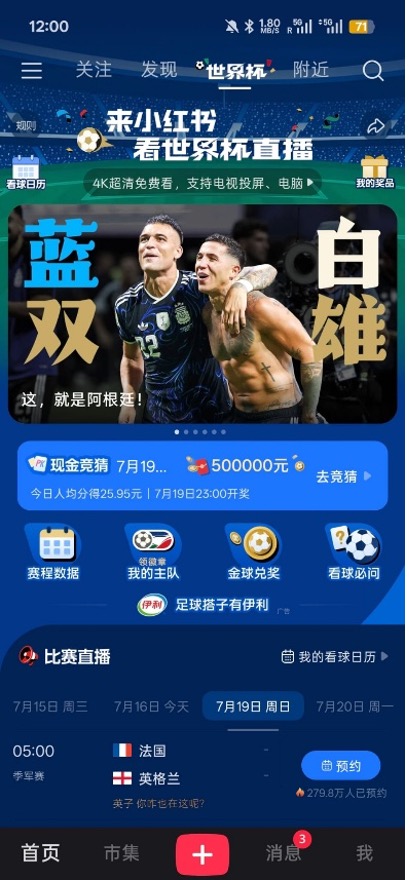
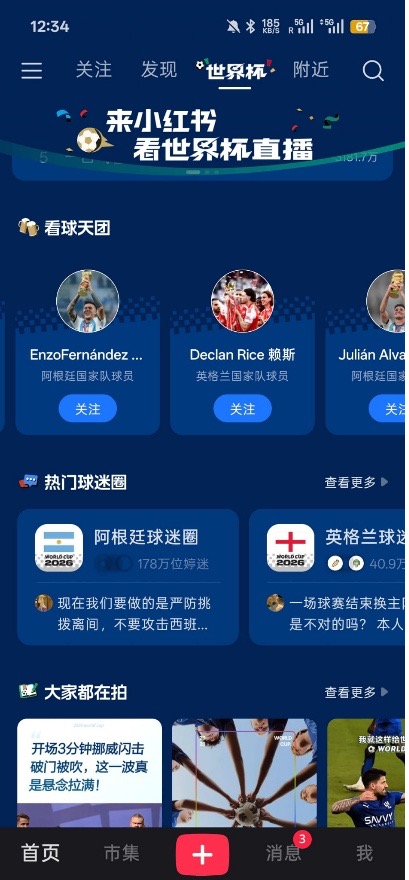
Live streaming every match brought audiences onto Rednote, yet it was everything around the broadcast that encouraged them to stay.
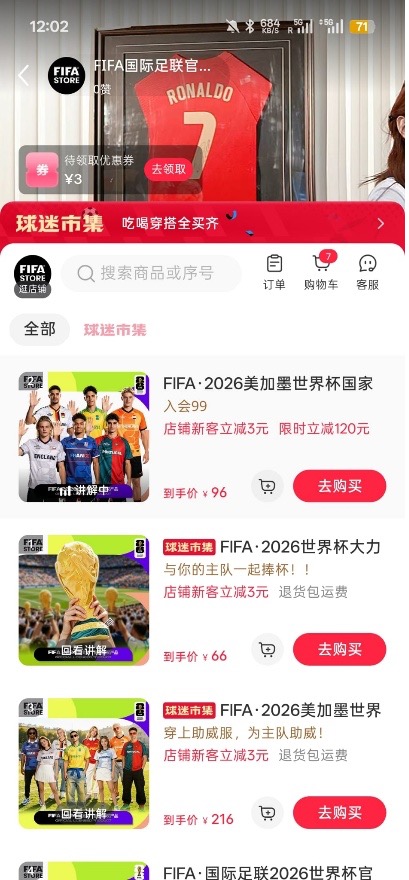
A dedicated World Cup hub combined live matches, discussion and creator content in one place. Fan ‘Circles’ allowed supporters to carry their team identity across the platform through fan cards, profile tags and avatar features. Prediction games and digital collectibles kept fans engaged, while integrated shopping allowed official FIFA merchandise to be purchased without leaving the app.
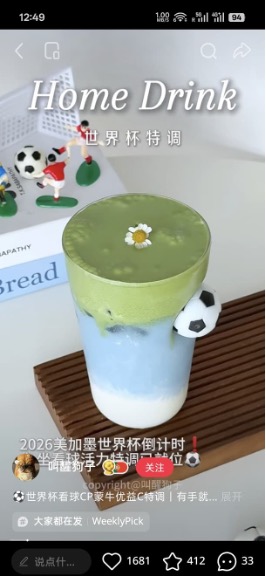
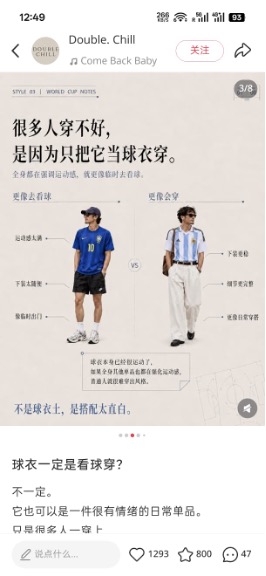
Rednote also encouraged creators from all areas such as food, fashion, music and more to produce World Cup content through its ‘Global Village Awards’, helping the tournament reach audiences beyond traditional football fans.
Away from the app, Rednote set up watch parties, grassroots football festivals and fan markets to extend the experience into the real world.
Together, these features created a tighter content loop, where live football flowed into discussion, creators, community, commerce and real-world experiences. It also showed how IFs can rethink event coverage across broadcast and social to better tap into the culture surrounding their sport.
Building cultural relevance
Rednote’s strategy shows why cultural relevance has become so important for IFs.
Major events may attract huge audiences, but attention alone does not guarantee a lasting connection. To connect more meaningfully with existing fans and reach new ones, IFs need to tap into the interests, behaviours and communities that shape how audiences experience their sport.
Rednote recognised that the World Cup was connected to far more than football, bringing fashion, food, travel, music, creators and fan identity into its coverage in a way that suited the platform.
Its success reflects how sports fandom now lives through conversations, communities and shared experiences as well as competition.
Recent analysis from the World Cup supports this, finding that UK pubs generated stronger social engagement than many official sponsors. It reinforces the same point: fans are deeply interested in the experiences surrounding a sport.
For IFs, the opportunity is to better understand the culture already around their sport. Organisations that make communities, creators, behaviours and fan identities a deliberate part of their event coverage and social strategy will be far better placed to tap into relevance and reach new audiences.
Beyond cultural relevance
Rednote’s approach also highlights wider opportunities for IFs.
By connecting live coverage, creators, community features, shopping and fan participation, it created a much tighter content loop around the tournament. Western platforms cannot offer the same level of integration, but IFs can still build stronger links between owned, earned and paid media through their strategies.
That stronger ecosystem can also make an event more attractive to commercial partners. When fans have more ways to watch, participate, share and engage, sponsors can become part of a more positive experience that builds stronger emotional connections and lasting memories.
The result is stronger audience connections, more routes for new fans to discover the sport and a more compelling proposition for sponsors and advertisers.
Final thoughts
Rednote may operate very differently from the platforms most IFs use, but its World Cup strategy offers a valuable example of how culture can be identified, packaged and built into an event experience.
For IFs, that starts with looking closely at what their sport represents today, what they want it to represent tomorrow and how their content, coverage and events can better reflect those cultural areas. Rednote has shown a useful route forward; the opportunity now is to adapt and apply that thinking effectively to your sport.
To explore how these findings could help your organisation build greater cultural relevance, get in touch with the Redtorch team.