
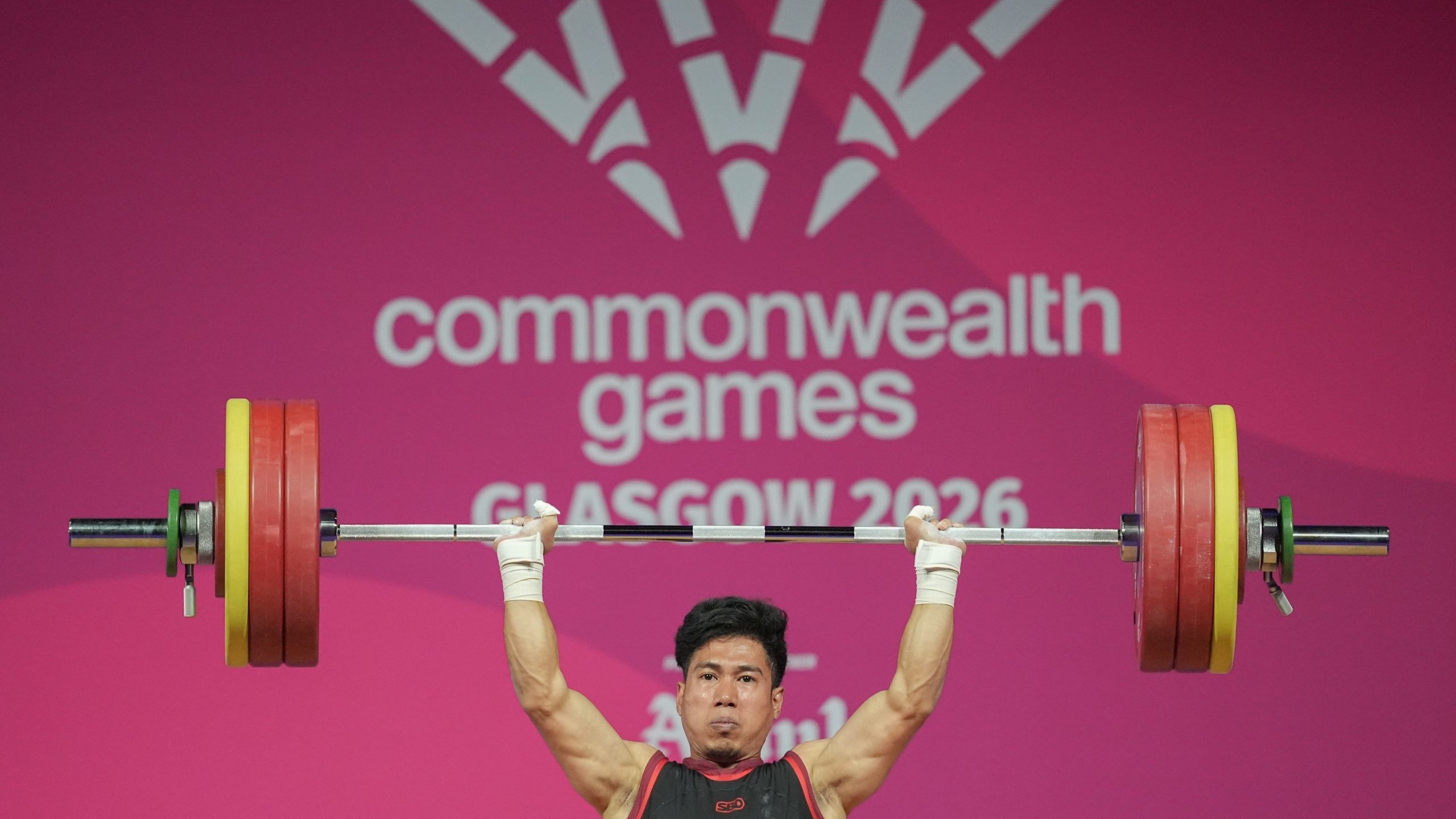
The NFL is putting at least 22 games a season on free-to-air TV in Ireland. Recent viewing figures from the Commonwealth Games in Glasgow and the European Athletics Championships in Birmingham help explain why that matters for sports trying to grow.
1. People have been saying for decades that “TV is dying”.
Although viewing habits have undoubtedly changed, free-to-air TV still gives many sports their best chance to reach beyond existing fans and get in front of people who barely think about them (i.e. the source of future growth)
2. Free-to-air does, of course, cover a broad spectrum.
A prime-time slot on BBC One offers very different exposure from the red button or a less visible part of the schedule. Availability matters, but so do prominence, timing and easy-to-find coverage.
3. Recent viewing figures demonstrate that free-to-air can still deliver at scale.
Glasgow 2026 averaged around 100,000 viewers on TNT Sports and stayed below 200,000.
In contrast, the European Athletics Championships averaged about two million for its BBC evening sessions, averaging 2.44m on Thursday night and peaking at 3.11m.
They’re different events so it’s not a perfect comparison … but a gap of roughly 20x is pretty hard to ignore.
4. The broad reach free-to-air provides is so important because people are unlikely to watch, attend or participate in a sport they don’t recall.
Reaching occasional followers helps ensure your sport comes to mind when a major event is on, tickets go on sale, children choose a sport or sponsors decide where to invest.
You can’t build that memory among an audience you never reach.
5. Every broadcast deal is a strategic choice.
Rights income is clearly important, but wider reach builds a larger audience and greater commercial value over time.
The right balance depends on what the sport is trying to achieve; if the aim is long-term audience growth, then reach needs to be valued properly.
6. Digital and social are hugely important too.
There’s a whole generation more familiar with MrBeast than an Olympic champion, and these platforms provide sports with an affordable way to reach younger audiences, tell athlete stories, and maintain interest between major events.
The numbers just need context. A three-second autoplay, a repeat view and someone choosing to watch 90 minutes of live sport represent very different levels of attention. Each can have value when we understand its role.
I’d want to know how many genuine people we reached, how many were new or occasional followers, whether they remembered the sport afterwards, and whether anything tangible changed in the process (e.g. more fans, greater participation, higher ticket sales, increased commercial value).
7. Ultimately, the most effective communications mix is a combination.
You want to combine free-to-air TV to create broad reach and memory, while using digital and social to extend the moment, deepen people’s interest and drive action.
So … free-to-air TV remains an incredibly valuable growth tool for sport … provided people know where to find it.

Alex Ross
I'm a sport-obsessed film lover with a passion for evidence-based marketing. I'm proud to own an agency that's become one of the most trusted in world sport.
My most memorable sporting moment is …
Spectating: Liverpool beating AC Milan in 2005 to win the UEFA Champions League.
I am happiest when …
With family.
The sports person that best represents me is …
Frederik Fetterlein (Danish Tennis player... worth a google).
The three things at the top of my bucket list are …
1. Complete an Ironman for the charity MIND
2. Learn a (new) language
3. Work with the NFL
A quote I try to live my life by is …
"Life is as good as the memories you make."