
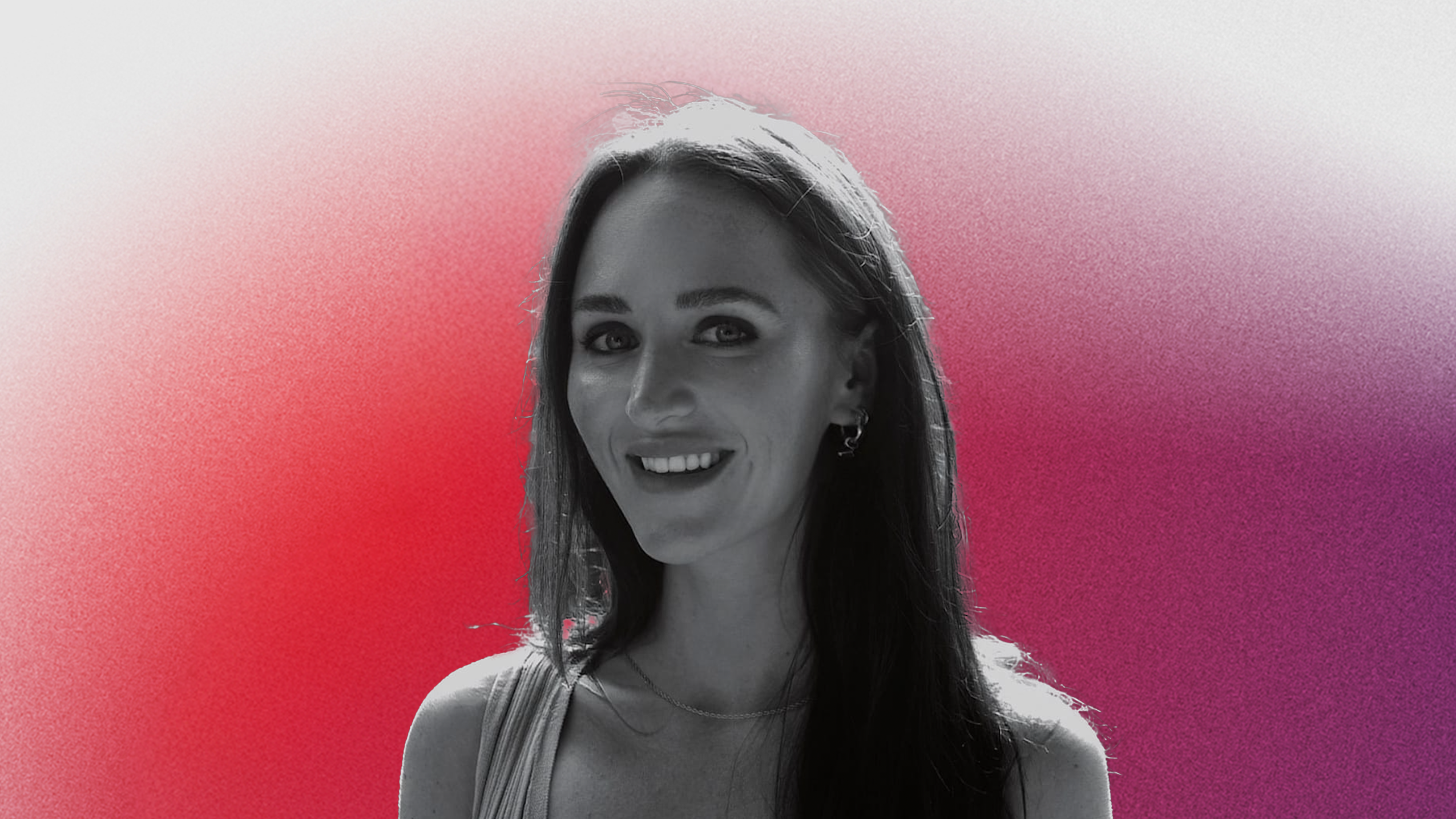
There are moments that quietly reshape life. For Lauren van der Westhuizen, that moment came after years spent climbing the career ladder. As a lawyer advising global technology companies including Google and eBay, she had built a successful professional life. Yet behind the achievements was an uncomfortable truth: success had come at an expense.
What followed was a complete reimagining of work, wellbeing and sport, driven by a growing belief that the three didn’t have to exist in separate worlds.
Today, as founder and CEO of House of Racquet, the UK’s first female-founded padel lifestyle club, Lauren is creating spaces that challenge long-held assumptions about who sport is designed for and who gets to shape it.
When burnout becomes a turning point
Lauren never imagined her route into sport would begin with burnout.
For years she immersed herself in corporate law, thriving in an environment that rewarded long hours and relentless ambition. From the outside, her career was progressing exactly as planned. Internally, something felt increasingly disconnected.
‘I trained as a lawyer and built a successful career advising major tech companies, but the relentless 18-hour days eventually led to burnout. I realised the only part of my life I was truly enjoying was sport and movement.’
Stepping away from that world gave her the space to notice what had been missing. During a sabbatical in Indonesia, she discovered padel, and with it, a different way of experiencing sport – one built around community, openness and connection.
‘I took a sabbatical in Indonesia, where I discovered padel and immediately saw its potential as a genuinely inclusive, community-led sport. When I returned to London, I couldn’t find a club that reflected the diversity and welcome I had experienced abroad. So I decided to build one.’
What began as a personal search for belonging quickly became something much bigger. Changing careers became the consequence of recognising a gap that many others had simply learned to live with.
Stop waiting for permission and let go of the fear that you need to be an expert in an industry before you start.
Building a club around lived experience
Opening House of Racquet was a defining moment for Lauren, but the significance went far beyond becoming the UK’s first female-founded padel club. From the way the business was funded to the experience it offers players, every decision was intended to reflect the values she wanted the sport to embody.
‘Opening our first flagship club for House of Racquet (and completing my first construction project!) is my proudest achievement – becoming the first female-founded padel brand in the UK. I’m also proud of securing a 50/50 gender-balanced investment cap table, which reflects the inclusive values of the club from the ground up.’
That approach was shaped by research as much as instinct. Before opening the club, Lauren consulted Women in Sport (the longest-standing charity in its field with a proud history of securing change for women and girls) to better understand the barriers that stop many women from participating.
‘Things like whether the nearest station is well-lit, whether you have to walk through a remote area alone after dark, what is the messaging on social media, does the venue feel welcoming and safe? These are real barriers that have kept women away from sport for years, and the industry has largely ignored them.’
For Lauren, those details matter because they’re often what determines whether someone feels comfortable returning. She believes more women in leadership will continue to shape sporting environments that feel welcoming from the moment people arrive.
A sport finding its moment
Women’s sport feels different today than it did even a few years ago. Attendance is growing, audiences are expanding and commercial investment is finally beginning to follow.
Lauren believes women’s sport has reached a defining moment. The recent growth is beginning to reshape the culture around sport itself, changing who is seen, who is supported and who feels they belong.
‘The momentum is unlike anything I’ve seen before. Attendance records are being broken, broadcast deals are growing, and perhaps most importantly – young girls now have visible role models across almost every sport.’
She believes padel represents a particularly exciting part of that story because of the way community sits alongside competition.
‘What excites me most personally is the intersection of women’s sport and community. Padel is a brilliant example: participation among women is growing rapidly, and the social, community-led nature of the sport makes it particularly appealing to women who may have felt excluded by more ego-driven, competitive sporting environments.’
To Lauren, the recent growth in women’s sport feels less like a moment of momentum and more like the beginning of lasting cultural change.
‘We are at a genuine inflection point, and I believe the next decade will be transformative.’
Visibility should never come at a cost
As opportunities for female athletes continue to grow, Lauren believes another conversation has become impossible to ignore.
Social media has transformed the relationship between athletes and audiences, giving women greater ownership over their stories than ever before. But that visibility has also introduced new pressures that too often go unchallenged.
‘Athletes owning their own narratives is the defining shift… But we have to be honest about the darker side of this, because it doesn’t get talked about enough.’
She points to the reality many female athletes face every time they build a public profile.
‘Raising your head above the parapet as a female athlete too often invites abuse, trolling and sexualisation. That is not a minor inconvenience — it is a genuine barrier that stops women from putting themselves out there.’
For Lauren, protecting athletes isn’t separate from growing women’s sport. It’s fundamental to it.
Until female athletes can build a public profile without routinely facing harassment, we are asking them to pay an unfair tax for their own visibility. That has to change.
Creating the rooms where change happens
Lauren speaks often about leadership because she understands how much influence sits behind the scenes.
The future of women’s sport will be shaped as much in boardrooms and investment meetings as it is on courts and pitches, because the people making decisions influence who gets seen, supported and funded.
That’s one of the reasons her club hosts brands at the club and pairs them with pro athletes for events – like GB elite padel athlete Aimee Gibson – to raise their profile, introduce them to press and influencers, and provide them with paid working opportunities. Recently the club hosted Sweaty Betty for its 10 year anniversary of its power range, bringing together 50 amazing women to play padel and be led by experienced padel players and experience the real work and effort that goes into their work.
Building the future she wanted to find
Looking back, each stage of Lauren’s career naturally leads into the next. Law gave her an understanding of systems, coaching deepened her understanding of people, and entrepreneurship became the place where those experiences could come together. She hopes the next generation of women entering sport won’t have to question whether there’s room for them.
‘Stop waiting for permission and let go of the fear that you need to be an expert in an industry before you start.’
It’s advice rooted in her own experience.
‘I looked around at the padel industry in the UK and saw a gap: no one was building it with women genuinely at the centre, not as an afterthought, not as a marketing angle, but as a founding principle. So I built it myself.’
Ultimately, Lauren’s vision stretches far beyond one club or even one sport.
‘My hope for this industry is that in ten years’ time, that gap no longer exists. That female founders, female coaches, female investors and female athletes are so embedded in the fabric of sport and fitness that their presence doesn’t need to be remarked upon.’
Perhaps that’s what makes her story resonate. It’s not simply about creating opportunities. It’s about creating places where opportunity feels expected, where belonging isn’t earned, and where the next woman walking through the door doesn’t have to wonder whether she belongs there at all.
Women like Lauren are the voices making real change in the industry, on and off the court.
Follow her socials below and stay connected with She Moves The Game as we spotlight more trailblazing women in sport.
Want to share your story or nominate someone doing amazing work in women’s sport?

Jess Reus
I am a food-loving, dog-appreciating, hockey player.
My most memorable sporting moment is…
Full on face planting on the Spine Ramp at FISE Montpellier in front of a crowd of 6,000 people and a load of professional Skateboarders...
I am happiest when …
I have food in my mouth.
The sports person that best represents me is …
Kate Richardson-Walsh.
The three things at the top of my bucket list are …
1. Travel around China and Japan
2. Meet Trixie Mattel
3. Learn a second language
A quote I live my life by is …
“They say I'm the Hottest MC in the Game. If you label me that, I will live up to it. Trust me.” – Lil Wayne.